Chasing Clouds and Cabernet: A Magical Day Trip to Montserrat and Oller del Mas
Looking back through our travel archives from 2018, there is one crisp autumn morning in Spain that stands completely frozen in time. It was a day where geography, history, and viticulture combined into a perfect, cinematic sensory experience. Leaving behind the bustling, sun-drenched boulevards of Barcelona, we set off toward the jagged horizon of Catalonia. Our destination was a legendary double-feature: the mystical mountain sanctuary of Montserrat, followed by an intimate tasting journey through one of the region’s most prestigious medieval wine estates.
In this post:
Part I: The Sanctuary in the Sky – Santa Maria de Montserrat
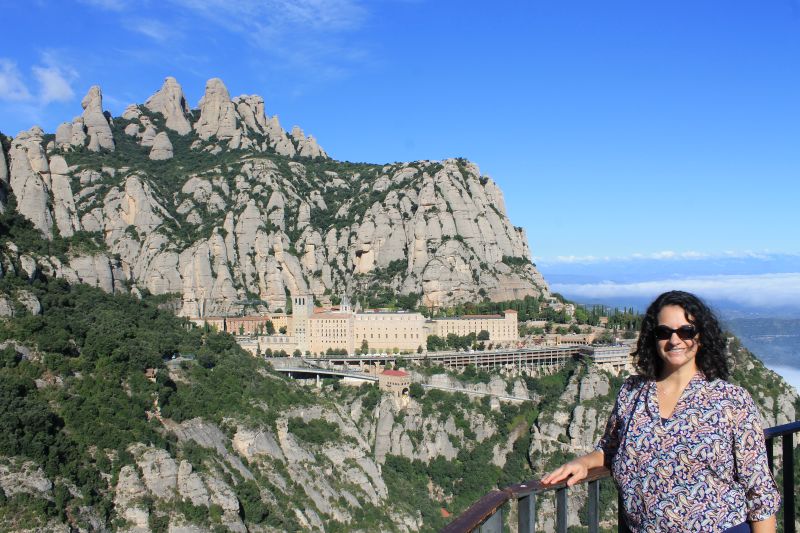
As you approach from the lowlands, the mountain of Montserrat rises abruptly from the Catalan countryside like a collection of serrated, stone fingers reaching longingly for the heavens. It is easy to see why this geological anomaly has inspired myths, legends, and deep religious devotion for over a millennium. Nestled precariously into these dramatic sheer cliffs sits the spectacular Santa Maria de Montserrat Abbey, a Benedictine monastery founded originally in the 11th century.
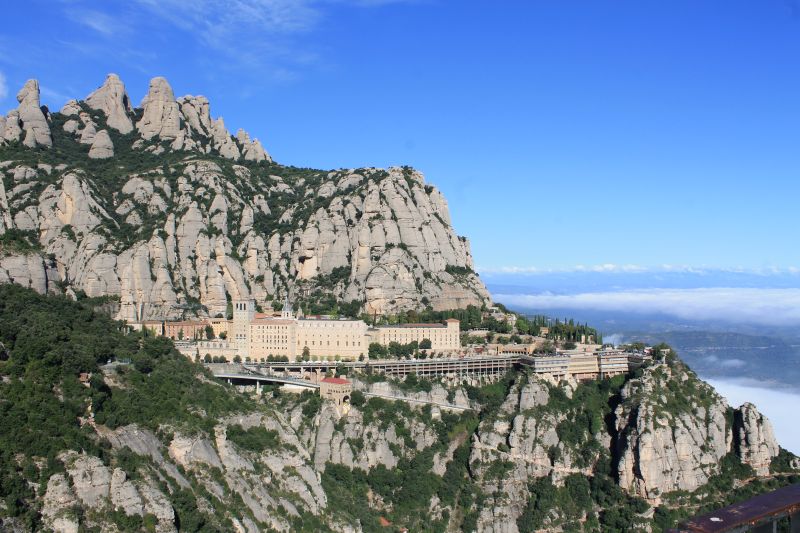
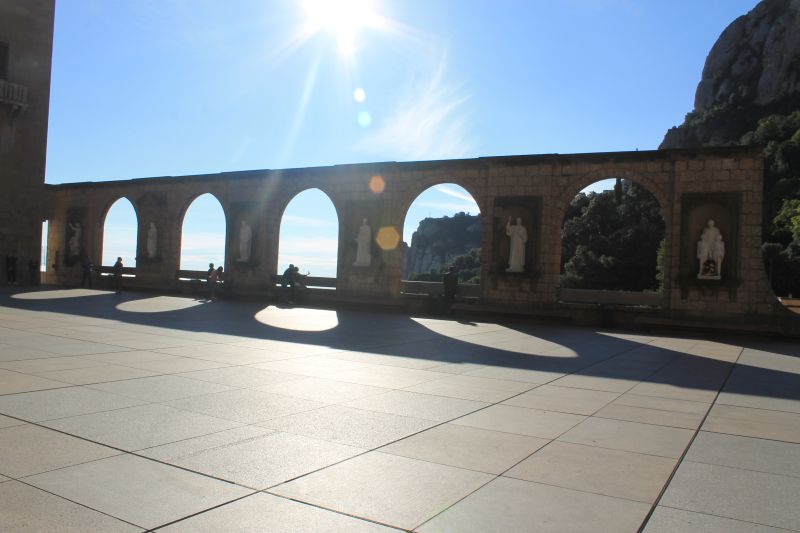
Stepping out of our transport and taking the final ascent up the mountain via the rack railway (cremallera), the sheer altitude and unique microclimate immediately enveloped us. On that morning nature treated us to an unforgettable meteorological spectacle: an atmospheric temperature inversion. As we looked out from the stone terraces of the monastery complex, the entire valley floor below had vanished completely beneath an endless, thick ocean of white, fluffy clouds.
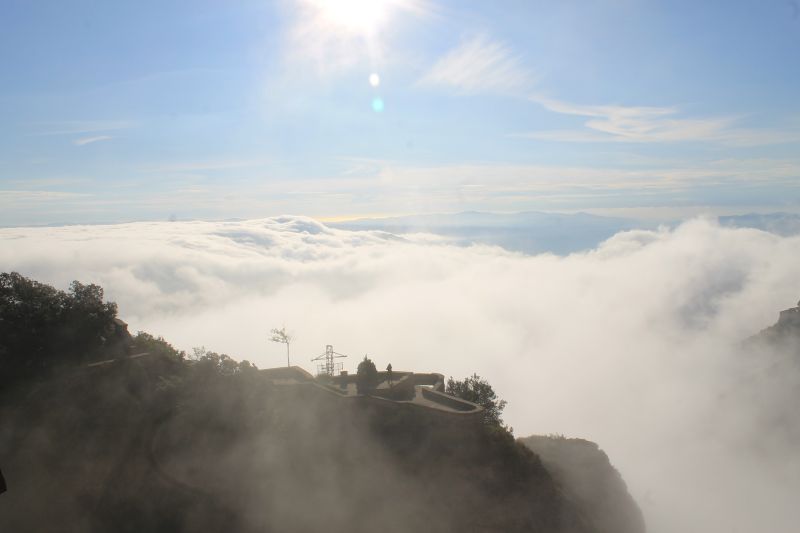
Geographical Breakdown & Elevation: The Santa Maria de Montserrat Abbey rests at an impressive elevation of approximately 2,362 feet above sea level. The surrounding serrated peaks, including the highest summit of Sant Jeroni, soar even higher to a breathtaking 4,055 feet.
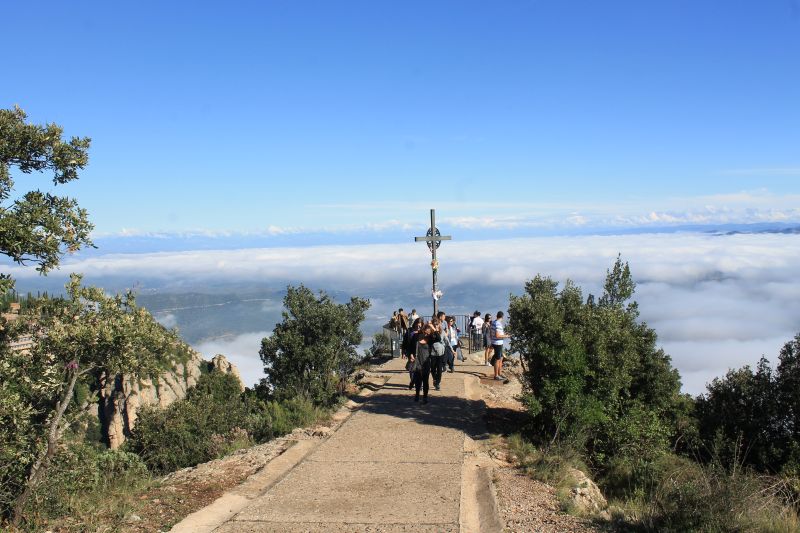
Standing above the cloud line felt less like standing on a mountain in Spain and more like stepping onto an island floating isolated in the heavens. The bright blue sky overhead contrasted brilliantly with the stark grey conglomerate rock formations and the brilliant white sea beneath our feet. A short walk led us to the iconic San Miquel Cross, which stands as a silent sentinel perched on a cliff edge. Draped with mementos, vibrant flowers, and ribbons left by pilgrims over the years, the cross looks directly out over the abyss. Standing there, watching other travelers gaze out at the endless horizon, felt profoundly peaceful.
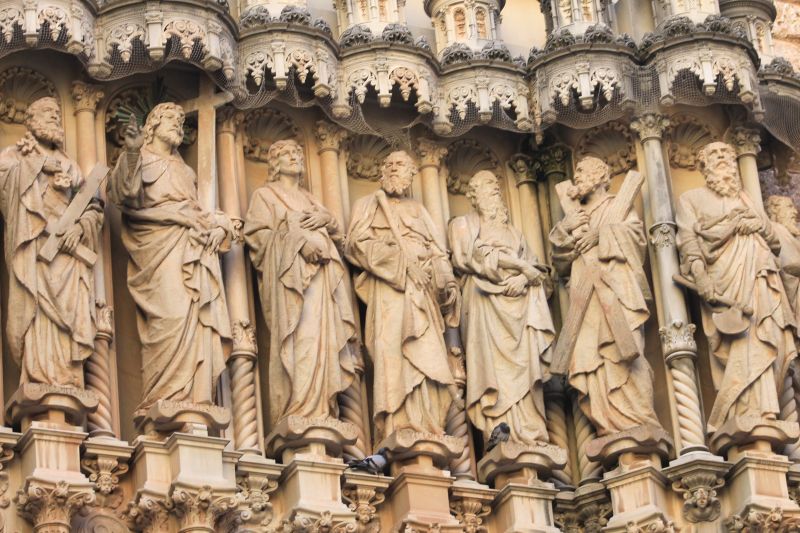
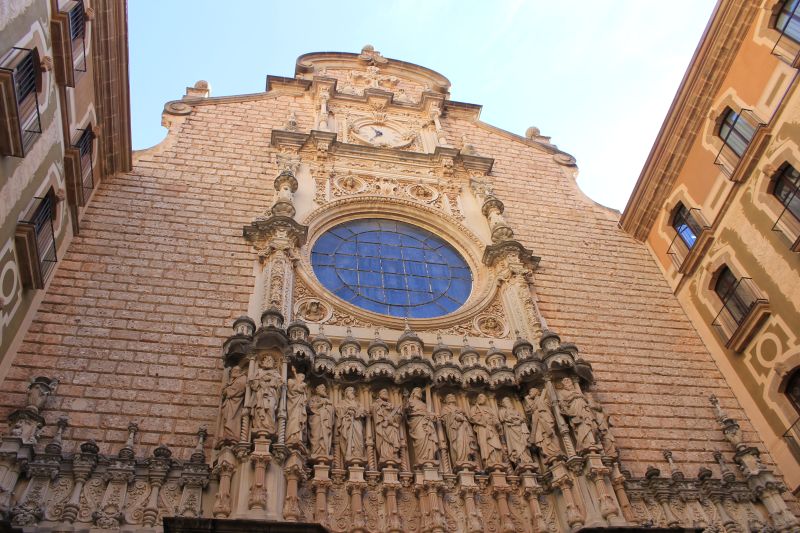
Before you even step inside, the basilica’s façade stops you in your tracks. The ornate Renaissance portal is lined with a full gallery of sculpted apostles standing in neat rows beneath a canopied arcade — twelve figures carved in pale stone, each one distinct, gazing outward with an almost unsettling calm. Above them, a large circular rose window in deep cobalt blue catches the mountain light beautifully, and the layers of decorative stonework climbing toward the roofline feel almost too detailed to take in at once. Get close to the figures near the entrance doorway and look at the faces — weathered, expressive, surprisingly human. It’s the kind of craftsmanship you keep finding new details in the longer you stand there.
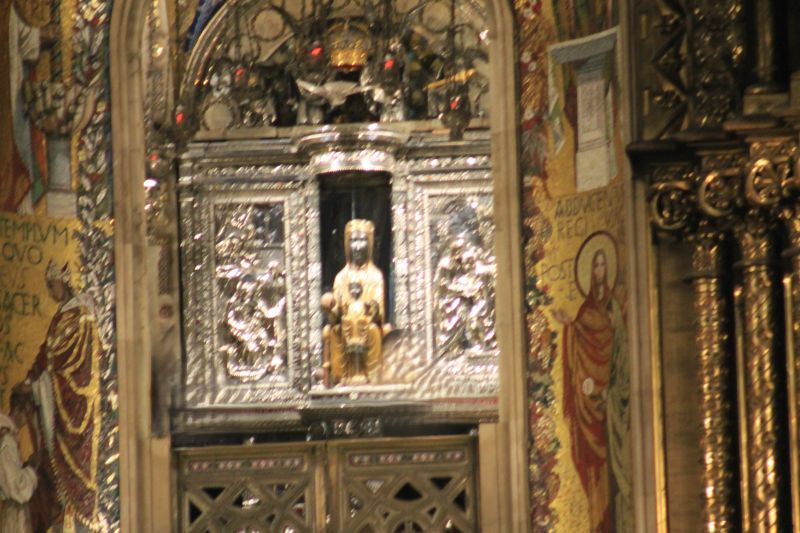
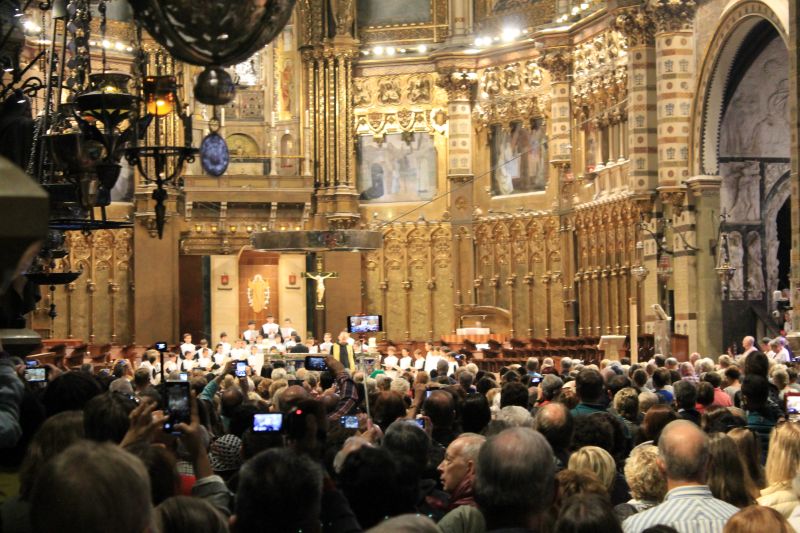
The tour was timed so we can watch a service. The interior is breathtaking on its own: soaring gold columns, richly painted walls, hanging lamps casting warm light across the nave, and tucked behind the main altar, the famous La Moreneta — the Black Madonna, a 12th-century Romanesque wooden statue of the Virgin Mary that has been a destination for pilgrims for nearly a thousand years.
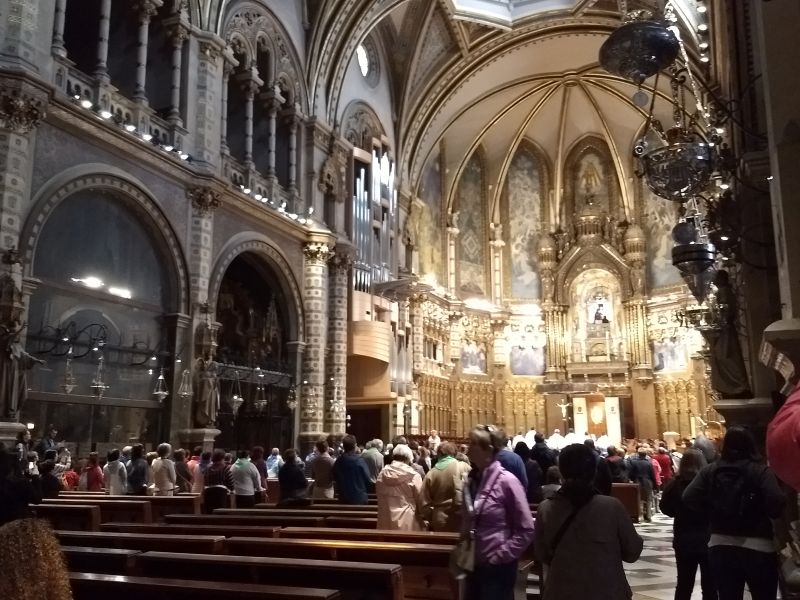
But it was the crowd that stopped us first. The basilica was packed — completely full — and we ended up standing in the back alongside what felt like half a dozen other tour groups, all of us craning for a view. Then the singing started.
What we were witnessing was a performance by the L’Escolania de Montserrat — one of the oldest boys’ choirs in Europe, with records of its existence stretching back to the 14th century. About 50 boys between the ages of 9 and 14 perform daily in the basilica, their unchanged treble voices filling every corner of that gilded space. The service was conducted in Catalan, so I couldn’t follow a word of it — but it didn’t matter. There are some things that don’t require translation. I stood in the back of that crowded church, surrounded by pilgrims and tourists and school groups, and just listened. It was one of those unexpected travel moments that turns out to be the thing you remember most.
Part II: Down to the Vines – The Oller del Mas Estate
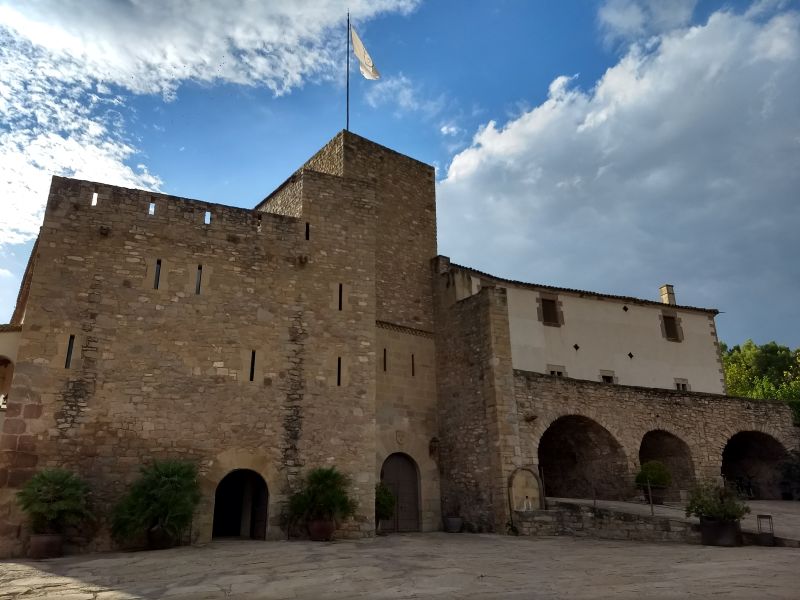
After a morning spent breathing in the thin air of the heavens, the second half of our tour brought us back down to earth—specifically, to the rich, fertile terroirs of the Pla de Bages wine region. Tucked into the shadow of the very peaks we had just explored lies Oller del Mas (Castell, Vinyes i Cellers). This spectacular organic vineyard is set around a beautifully restored 10th-century medieval castle, carrying over a thousand years of continuous winemaking history.
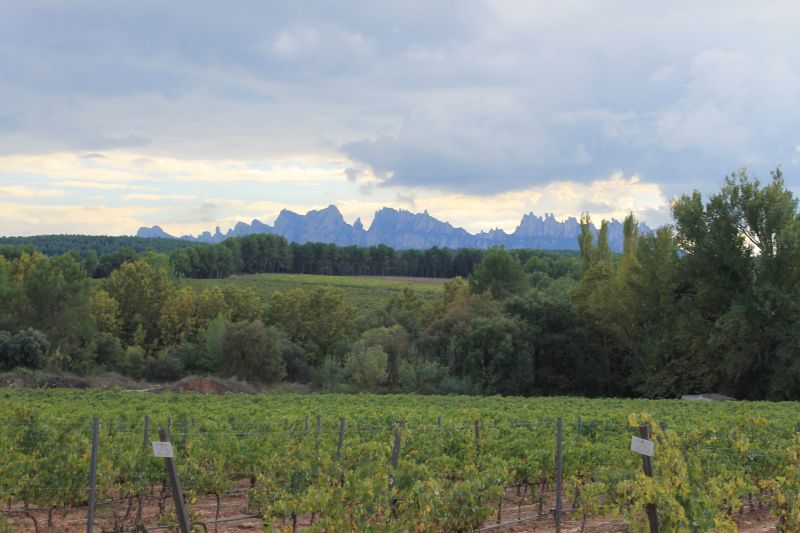
Looking back across the rows of grapevines, the serrated peaks of Montserrat formed a dramatic, jagged silhouette against the stormy afternoon sky—a permanent reminder of how the mountain protects and shapes this unique microclimate.
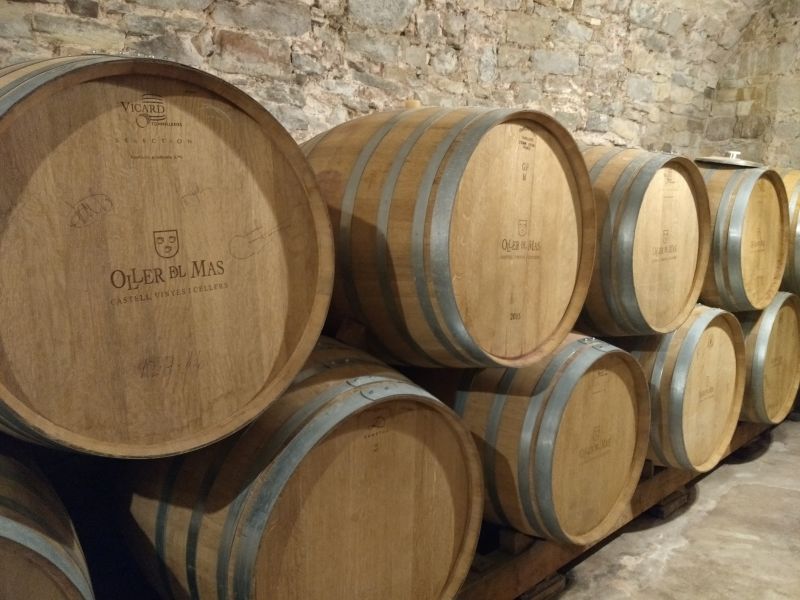
Walking into the cool, dark barrel room of Oller del Mas was an olfactory revelation. The rich, sweet aroma of aging French and American oak mingled with the deep, fruit-forward notes of fermenting grapes. As we toured the cellar, row after row of immaculate wooden casks bore the stamp of the estate, side-by-side with premium coopers like Vicard Tonnelleries. These barrels were holding what would become the estate’s signature estate-bottled red blends, crafted meticulously from traditional varieties like Tempranillo, Merlot, Cabernet Sauvignon, and the rare, indigenous Syrah and Picapoll varieties.
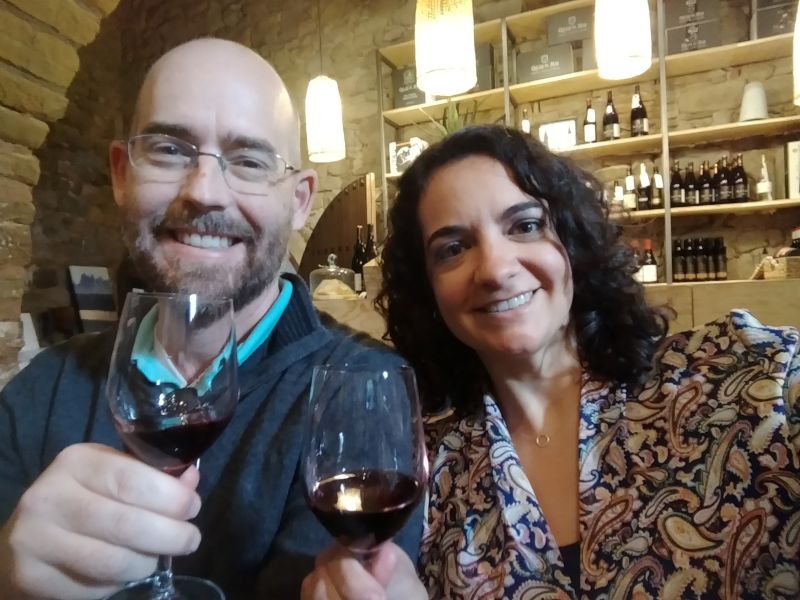
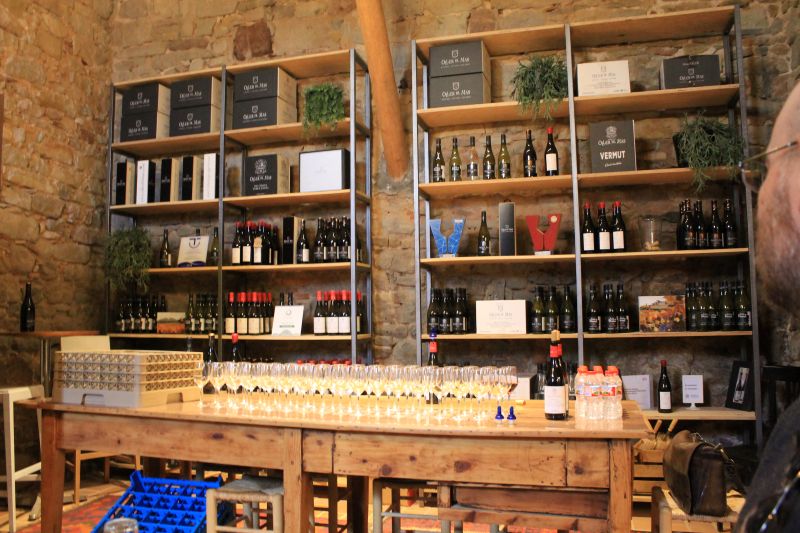
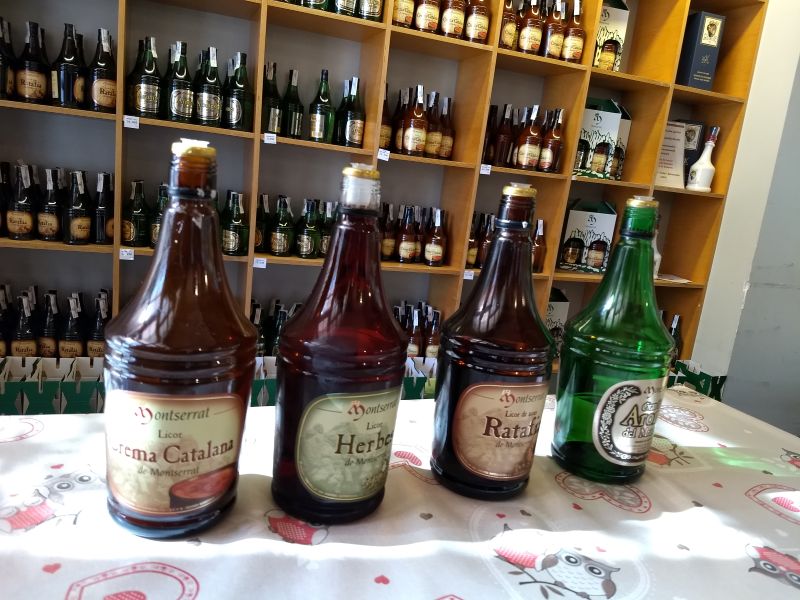
We concluded our afternoon with a guided tasting session inside the historic stone walls of the estate. Swirling a deep ruby-red blend in our glasses, we looked out across the vineyard tracks and trellis systems. The soil here, heavy with clay and limestone fragments washed down from the mountain over millennia, gives the wine an unmistakable mineral complexity and structure. It was the perfect contrast to our morning: after seeing Montserrat from its highest peaks, we were now tasting the very essence of the earth that lies directly at its feet.
Why This Day Trip Remains Unforgettable
If you ever find yourself planning an itinerary to Barcelona, escaping the city for this specific combined experience is an absolute necessity. It offers a rare, perfectly balanced cadence to a travel day. The morning provides immense spiritual, historical, and visual stimulation high up in the crisp mountain air. The afternoon grounds you, offering slow-paced relaxation, a profound appreciation for organic Catalan agriculture, and a literal taste of the local culture.
From the sun-bleached stones of the abbey façade to the stamped oak barrels aging gracefully in the cellar—we are reminded of why we travel. It is for those rare days where you can stand high above the clouds in the morning, and toast to the good life in a medieval castle before the sun sets.
- 12 day Itinerary: Barcelona, Málaga & Madrid — Fun Days of Tapas, History & Cava
- Visiting the Teatro Romano and Alcazaba in Málaga: Two Thousand Years in One Afternoon
- Taming the Tapas: Cooking Classes, Late Nights, and the Ham That Changed My Mind
- Ruined by Rain: Our Soaked, Short-Lived Day Trip to Ronda
- Day Trip to the Rock of Gibraltar from Málaga
- Is it Gaudi or Gaudy? A 2018 Tour of Barcelona’s Wildest Masterpieces