
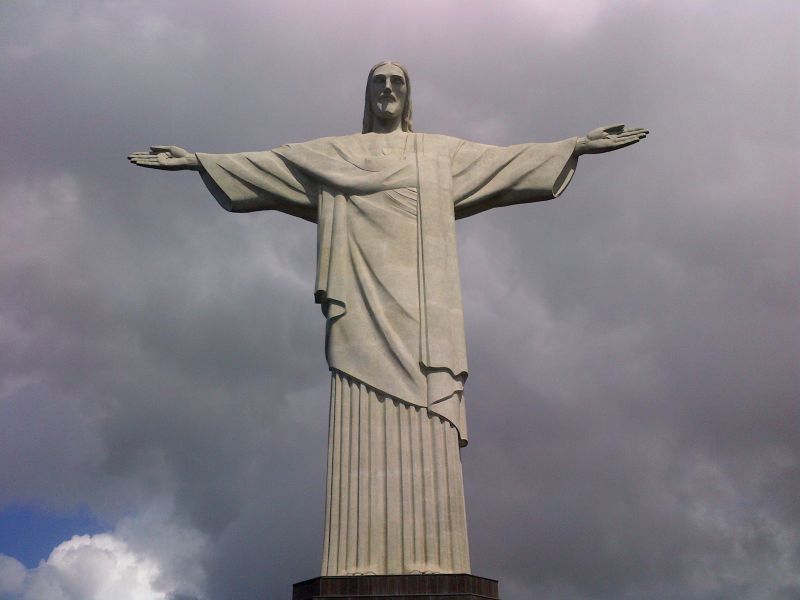
In October 2013, during a work trip to Brazil, I had the extraordinary opportunity to visit one of the New Seven Wonders of the World: Christ the Redeemer. What made this experience even more special was sharing it with colleagues as part of a group activity, transforming what could have been just another tourist excursion into a memorable bonding experience that I still think about years later.
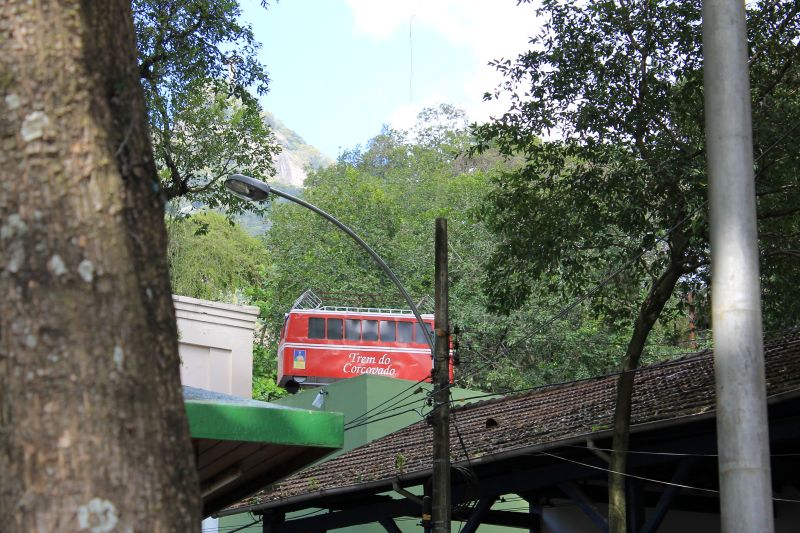
Our journey began at the base of Corcovado Mountain, whose name translates to “hunchback” in Portuguese—a fitting description for the distinctive shape of this peak that rises dramatically above Rio de Janeiro. We boarded the train that would carry us up to the summit, and as we settled into our seats, there was a palpable sense of anticipation among our group. The 20-minute ride through the Tijuca Forest provided the perfect transition from the bustling city below to the sacred space above.
As the train climbed steadily upward, we were treated to glimpses of Rio’s sprawling landscape through breaks in the lush vegetation. The Tijuca Forest, which surrounds much of the mountain, is actually a replanted rainforest—one of the largest urban forests in the world. The verdant canopy created a natural tunnel as we ascended, with shafts of sunlight breaking through the leaves and dappling our faces with light and shadow. The rhythmic sound of the train on its tracks became almost meditative, preparing us for what awaited at the summit.
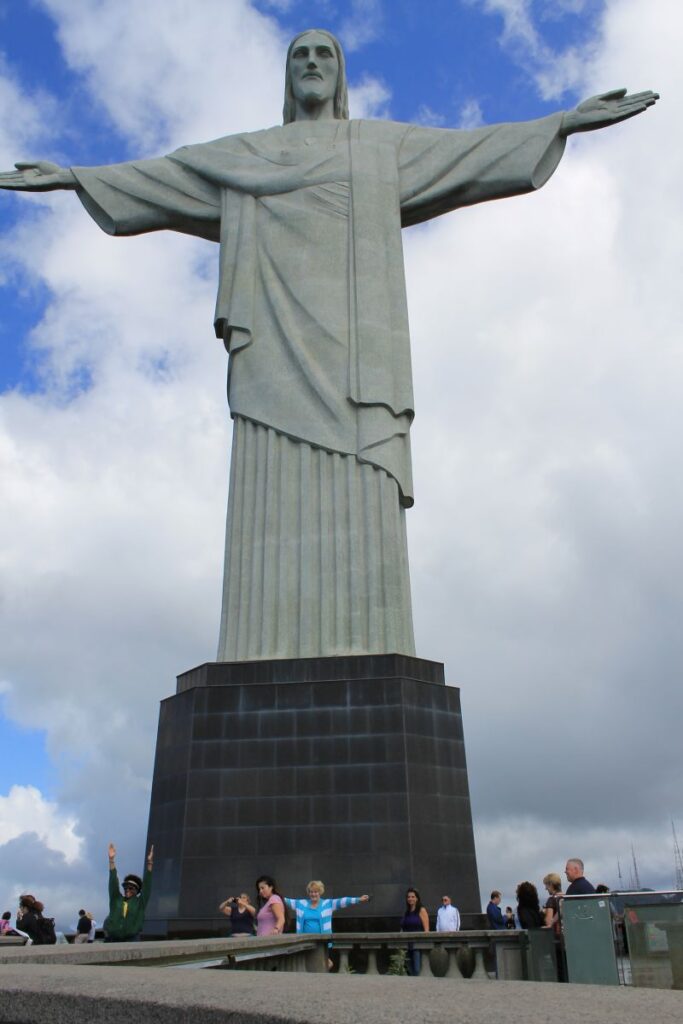
When we finally reached the top and made our way to the viewing platform, the sight took my breath away. The iconic statue of Christ the Redeemer stood before us, arms outstretched in a gesture of eternal welcome and protection. At 125 feet tall, the monument is every bit as imposing as you’d imagine—yet somehow, standing beneath those open arms, I felt an overwhelming sense of peace rather than intimidation. The sheer scale of the statue is difficult to convey in photographs; you truly have to stand in its presence to understand the engineering marvel and artistic achievement it represents.
What fascinated me most was learning about the statue’s construction. Most of the monument was actually crafted right here in Rio, but interestingly, the head and hands were created separately. This detail speaks to the international collaboration and meticulous planning that went into bringing this vision to life in the 1920s and early 1930s. The statue is constructed of reinforced concrete and covered with thousands of triangular soapstone tiles, giving it that distinctive smooth appearance that has weathered decades of exposure to the elements.
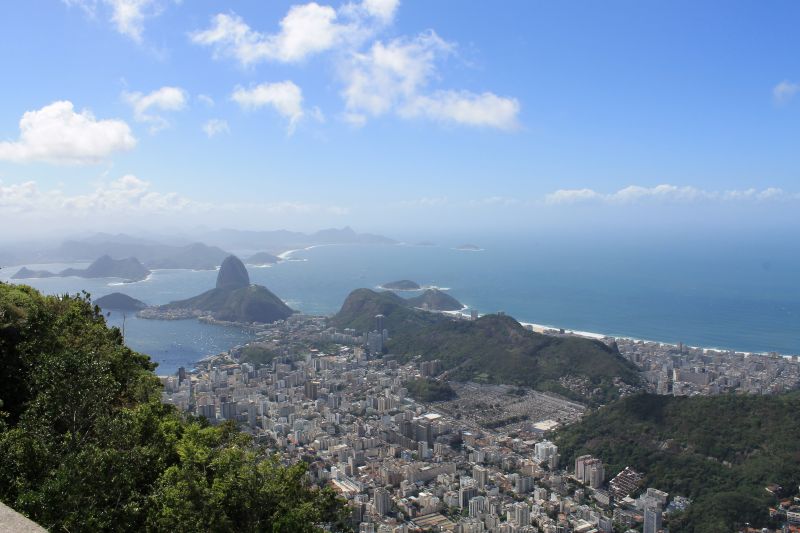
From our vantage point at the top of Corcovado, Christ the Redeemer overlooks the entire city of Rio de Janeiro, visible for miles in every direction. Standing there, I could understand why this location was chosen. The statue serves as both a religious symbol and a guardian of the city, watching over millions of residents and visitors alike. On clear days—and we were blessed with one—you can see for what feels like forever.
The panoramic view from the top was nothing short of magnificent. To one side, we could see the famous Sugarloaf Mountain rising from Guanabara Bay, its cable cars looking like tiny specks moving up and down. The bay itself sparkled in the October sunshine, dotted with boats and framed by Rio’s distinctive geography of mountains meeting sea. To the other side, the beaches of Copacabana and Ipanema stretched out like golden ribbons along the Atlantic coast, their curved shorelines creating the iconic patterns I’d seen in countless photographs but never fully appreciated until that moment.
The city sprawled beneath us in all directions, a testament to human ambition and adaptation. Buildings climbed hillsides at seemingly impossible angles, favelas and luxury apartments coexisting in Rio’s complex urban tapestry. From this height, with the statue’s arms spread wide above us, it was easier to see the city as a whole—a living, breathing organism of incredible diversity and energy.
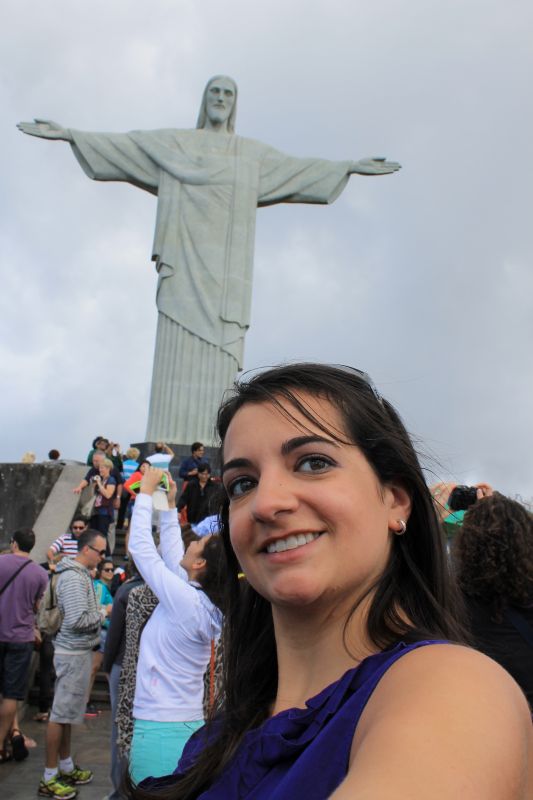
Our group spent considerable time at the summit, taking photos, soaking in the atmosphere, and simply being present in this remarkable place. There’s something about shared experiences like this that bonds people in unexpected ways. Colleagues who barely knew each other were pointing out landmarks, sharing cameras, and helping ensure everyone got their perfect shot with the statue.
As we prepared to descend, I took one last look at the city below and the statue above. This visit to Christ the Redeemer had exceeded every expectation. It wasn’t just about seeing a famous monument—it was about understanding why this place matters, why millions make this pilgrimage, and how art, faith, and nature can combine to create something truly transcendent. The memory of standing at the feet of Christ, looking out over one of the world’s most beautiful cities, remains one of the highlights of my travels, and I’m grateful to have experienced it alongside my colleagues during that October work trip to Brazil.
Read more from my Brazil trip: Iguazu Falls