How I spent 3 days wandering London on my own
Have you ever found yourself with a few completely free days in one of the world’s greatest cities? When my partner, Justin, had to head to London for a series of business meetings, I packed my bags and tagged along. Since this was his second work trip to the city, I had his full blessing to do whatever I wanted on my own. Exploring London as a solo traveler gave me the ultimate freedom. I didn’t have to compromise on which sights to see, I could linger as long as I wanted at the quirky spots, and I could indulge a major daily craving without judgment.
In This Post:
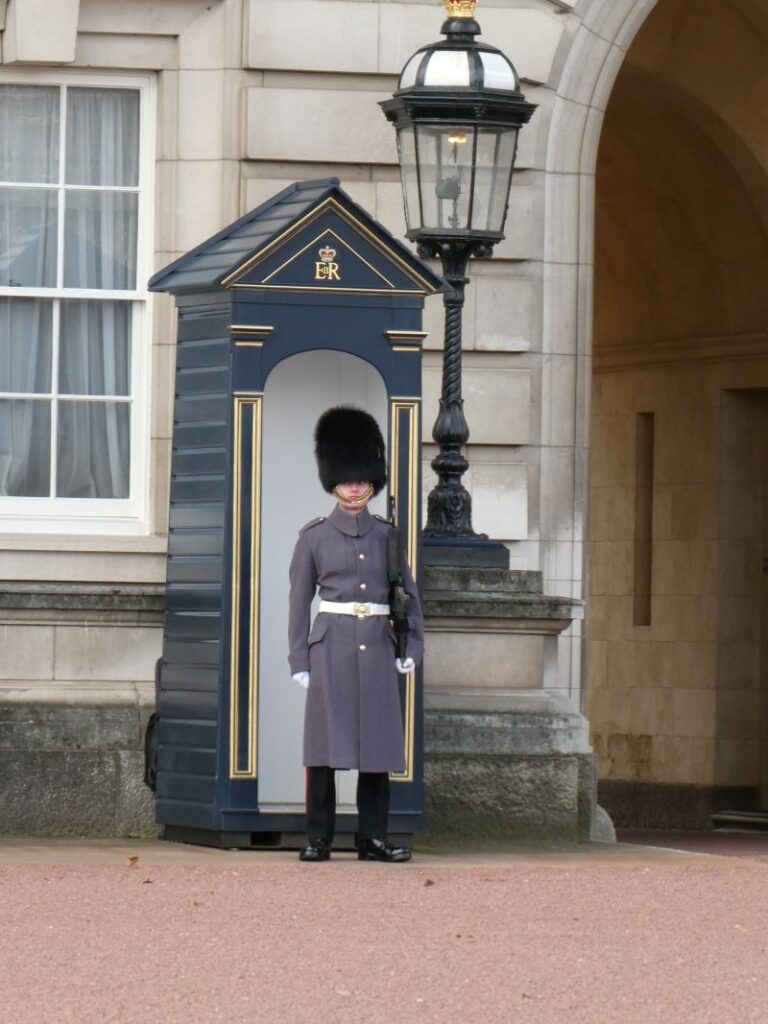
Here is how I spent my full 3 days wandering London maximizing the ultimate mix of London’s iconic royal landmarks, hidden historic gems, and unique neighborhoods.
Day 1
- Windsor Castle
- Oxford
- Stonehenge
Day 2
- Imperial War Museum: Churchill War Rooms
- Parade Grounds
- Buckingham Palace
- Wellington Arch
- Kensington Palace
- Freud Museum
- Market
Day 3
- Greenwich Meridian Line
- Ferry Ride
- Tower of London
- Tower Bridge
- The Shard
- British Musuem
The Famous Icons: Buckingham Palace, Tower Bridge, Parade Grounds & the Wellington Arch
No solo trip to London is complete without checking a few legendary landmarks off the bucket list. My first mission was to see Buckingham Palace.
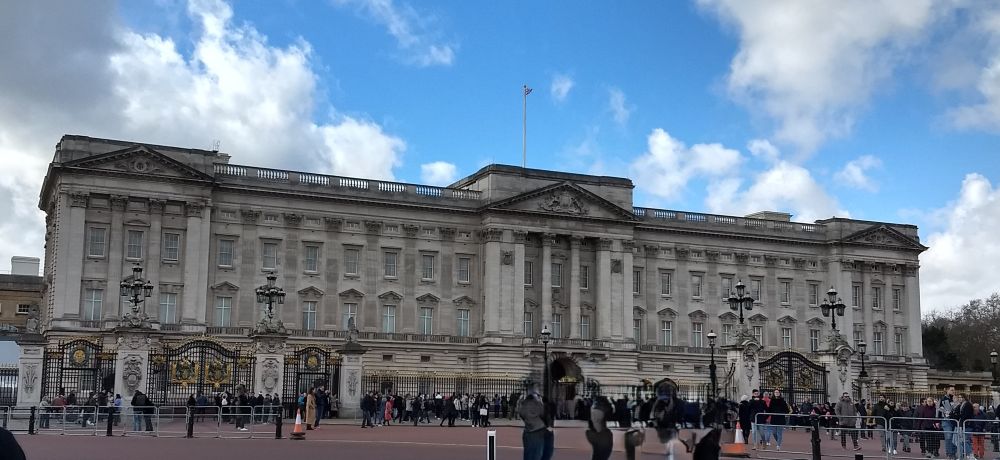
What surprised me most about the palace isn’t just its size—though the massive stone blocks, ornate black-and-gold iron gates, and stoic guards are incredibly grand. It’s the location. This colossal royal estate, which has served as the official working headquarters of the monarchy since Queen Victoria moved in back in 1837, sits right in the beating heart of downtown London. One minute you are walking past modern city buildings, and the next, you are staring at a neoclassical palace.
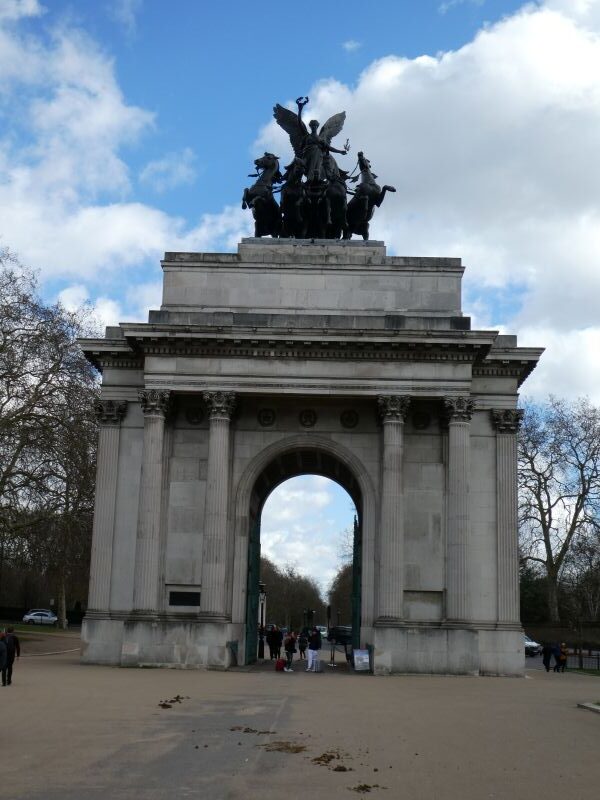
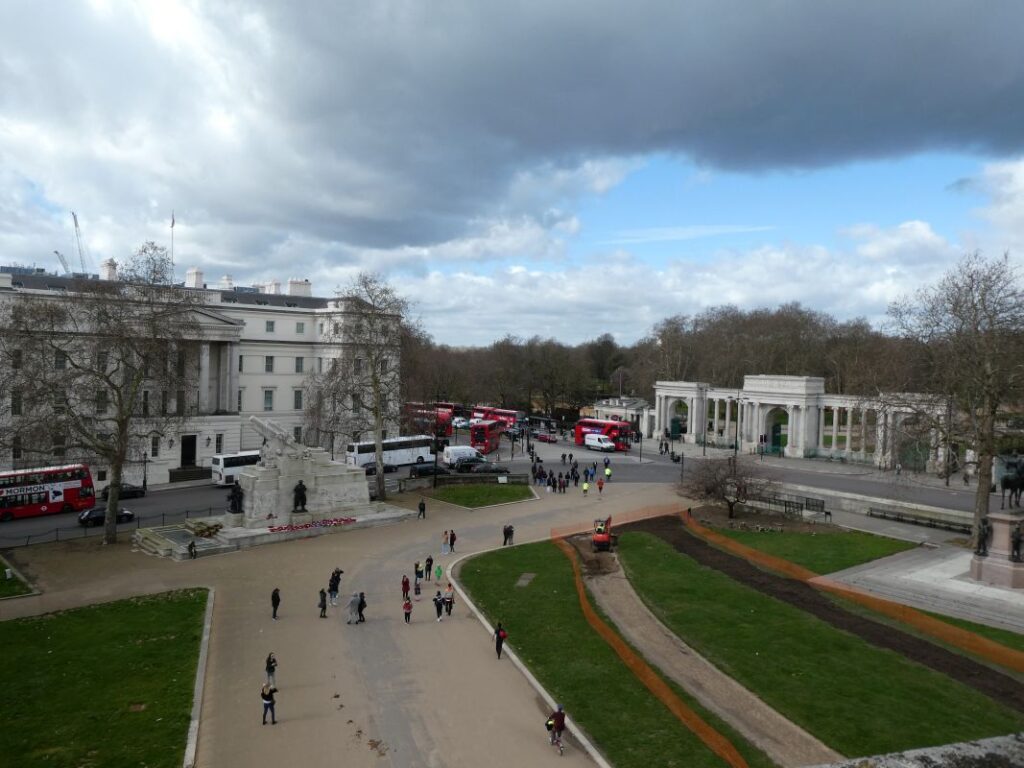
Walking over toward Hyde Park, it’s impossible to miss the grand presence of the Wellington Arch. Built in the 1820s to celebrate Britain’s victories in the Napoleonic Wars, this massive triumphal arch is crowned by Europe’s largest bronze sculpture—a striking four-horse chariot guided by the Angel of Peace. While most tourists just snap a photo from the street and move on, you can actually head inside the monument. Taking the lift up to the open-air balconies on the upper floors provides a fantastic, elevated vantage point over the city traffic circles, the expansive greenery of Hyde Park, and a unique, birds-eye view looking right down Constitution Hill.
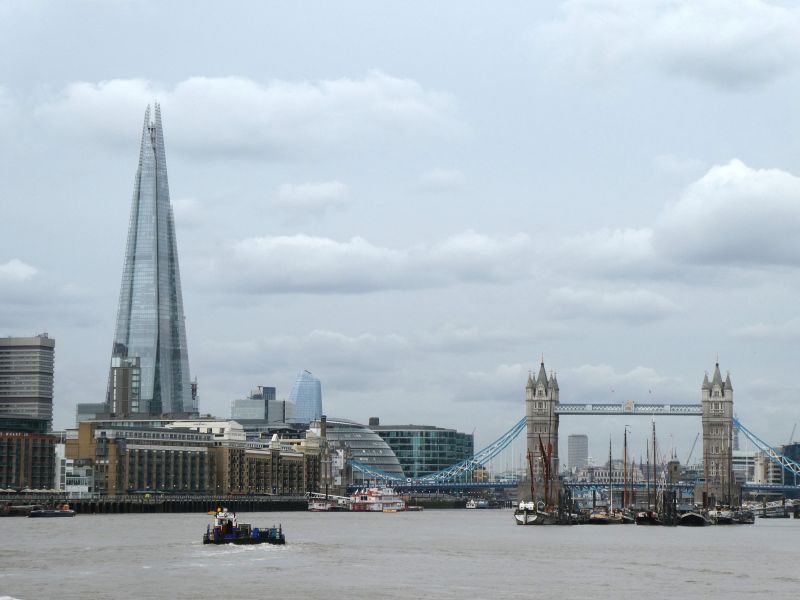
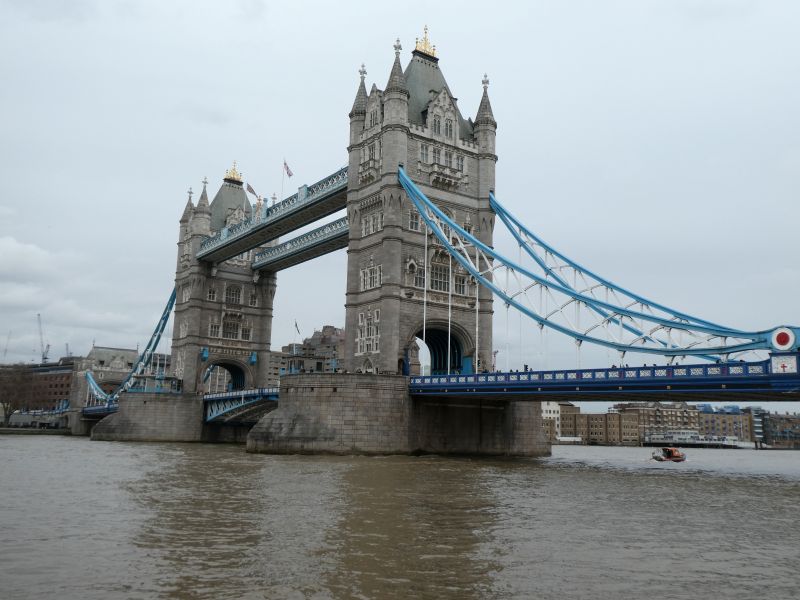
Tower Bridge. I took the internal tour, which allows you to take a lift up inside the towers and walk across the high-level walkways. The real highlight here is the glass floor panel. Standing 138 feet (about 42 meters) directly above the River Thames, watching the iconic red double-decker buses and black cabs drive beneath your feet, is a short, thrilling, and incredibly fun activity.

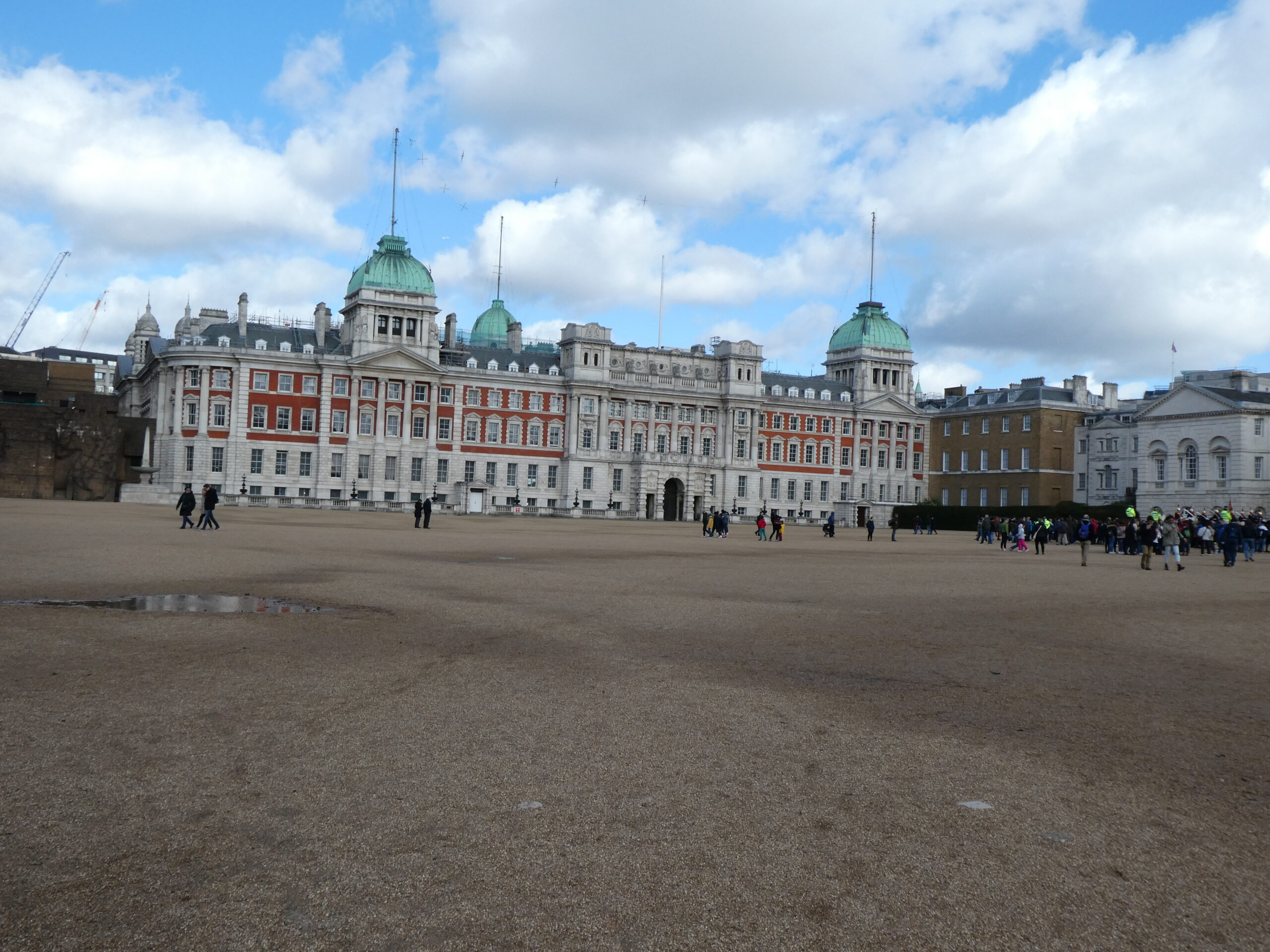
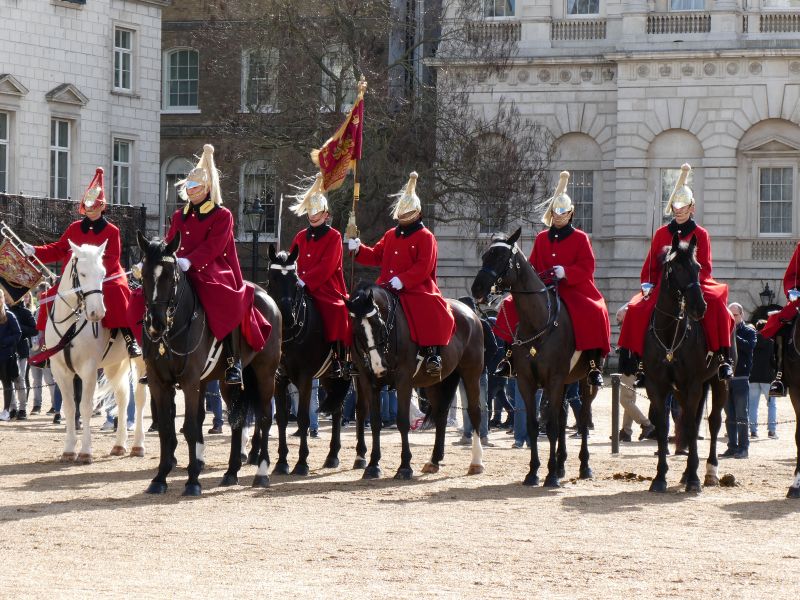
My very first glimpse of London’s royal pageantry actually happened through a taxi window on the drive from the airport to my hotel, when we cruised past a massive, sweeping gravel square that immediately caught my eye. I knew right then I had to loop back on foot to experience the historic ritual performed there daily: the Changing of the King’s Life Guard. Located right off Whitehall, Horse Guards Parade serves as the official entrance to St. James’s Palace and Buckingham Palace, and standing out on the wide-open grounds is an experience steeped in centuries of tradition. Watching the mounted cavalry troops arrive in their immaculate, glittering breastplates and plumed helmets to conduct their precise, wordless military ceremony is absolutely mesmerizing—and as an added bonus for travel photographers, you can catch a brilliant view of the London Eye peeking out over the historic rooftops in the background.
Royalty and History: Inside Kensington Palace and The Tower of London
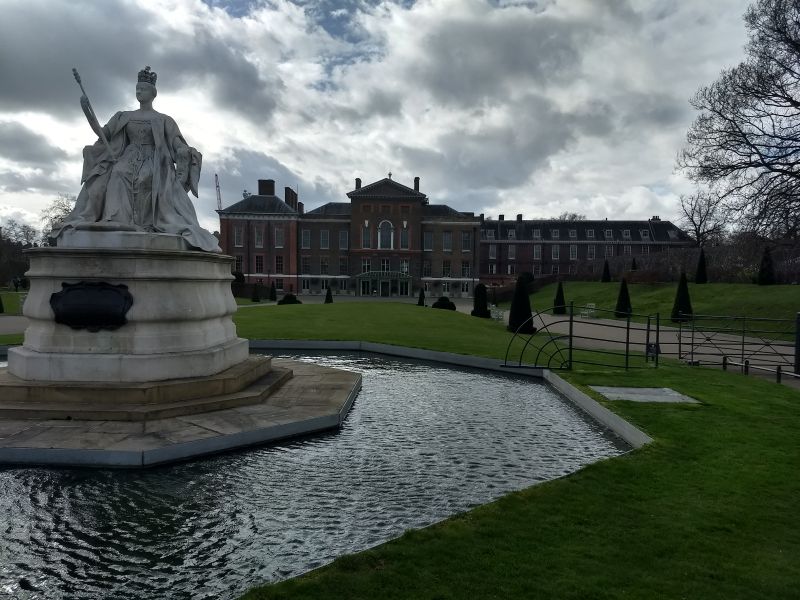
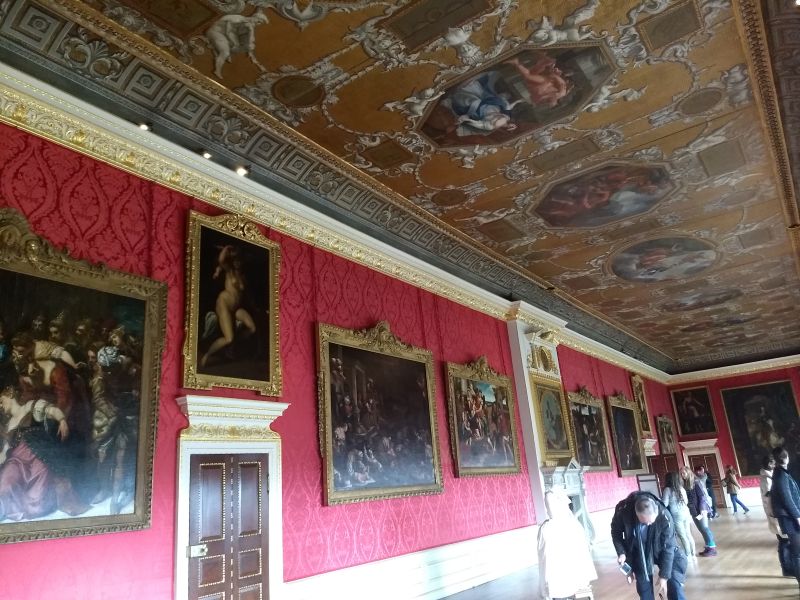
If you love intricate architecture and history, London is an absolute goldmine. During my solo days, I decided to tour Kensington Palace, a working royal residence tucked beautifully into Kensington Gardens.
Walking through the palace felt like stepping backward in time. The rooms open to the public are filled with lavish, ornate furnishings, grand tapestries, and historic paintings. Because parts of the palace are closed off to protect the privacy of the modern royals who still live there, it creates a fascinating contrast between a public museum and a real, private home.
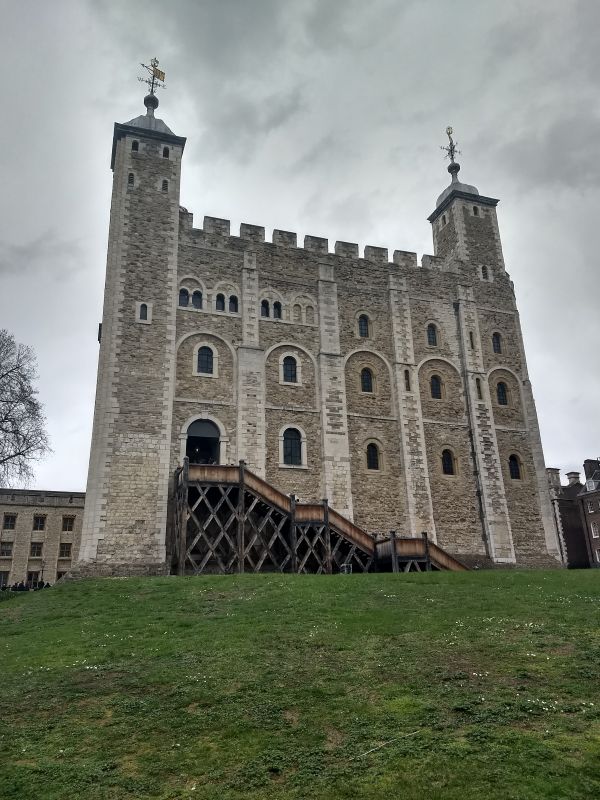
On the other side of the city sits a completely different kind of royal structure: The Tower of London.
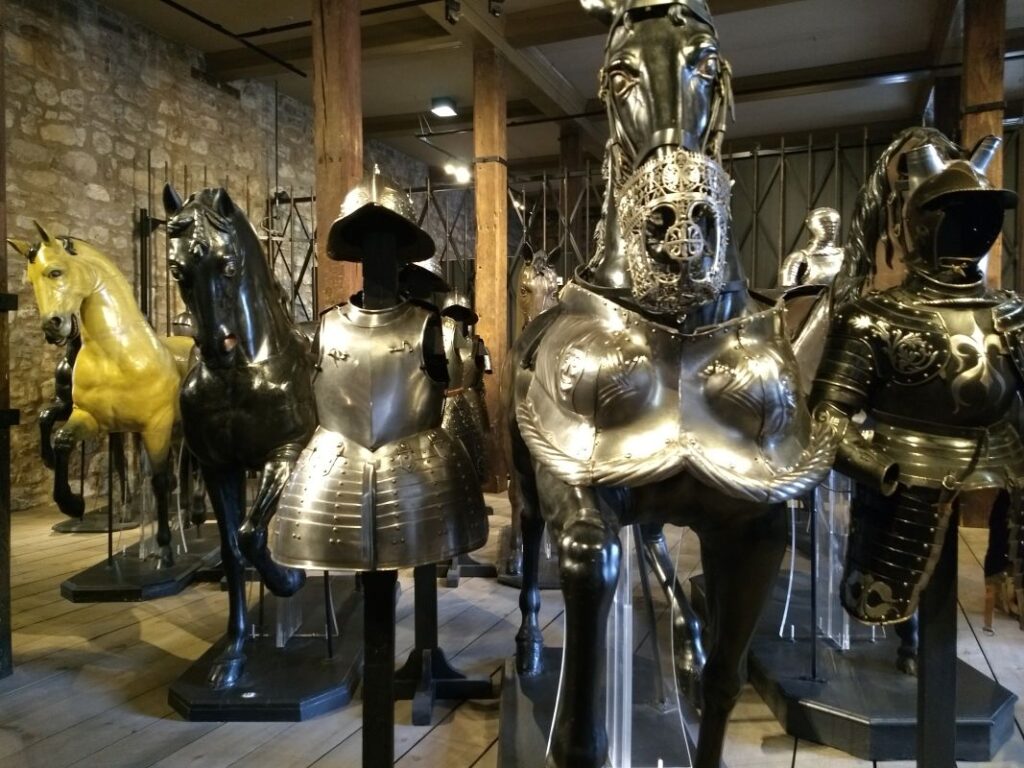
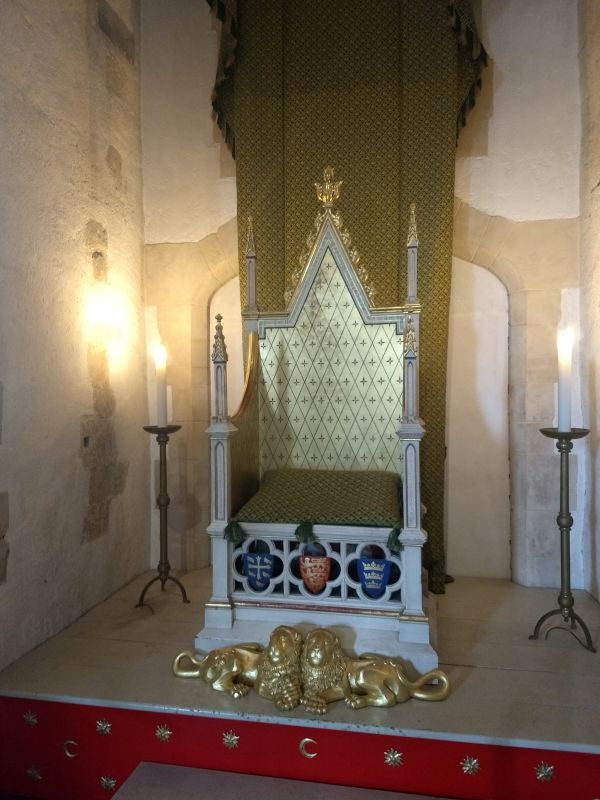
This historic old castle fortress has worn many hats over its 1,000-year history—serving as a royal palace, a notorious prison, and a secure stronghold. Today, its most famous job is housing the Crown Jewels.
Seeing the ceremonial regalia up close was easily one of my favorite stops of the entire trip. To keep the massive crowds moving smoothly past the priceless crowns, sceptres, and orbs, the Jewel House utilizes a moving walkway escalator. It whisks you past the glittering display cases rather quickly—giving you just enough time to take in the dazzling sparkle, but not quite enough time to analyze every single diamond. The queue outside can get quite long, and because it moves so fast, I didn’t loop back around for a second pass, but it is an absolute must-see.
Diving Into History: From Secret Bunkers to Ancient Empires
No trip to London is complete without immersing yourself in its incredible layers of history, and my solo days gave me the perfect opportunity to dive deep into two world-class sites that couldn’t be more different: the subterranean Churchill War Rooms and the vast galleries of the British Museum, plus the home of the founder of psychoanalysis at the Freud Museum.
Imperial War Museum: Churchill War Rooms
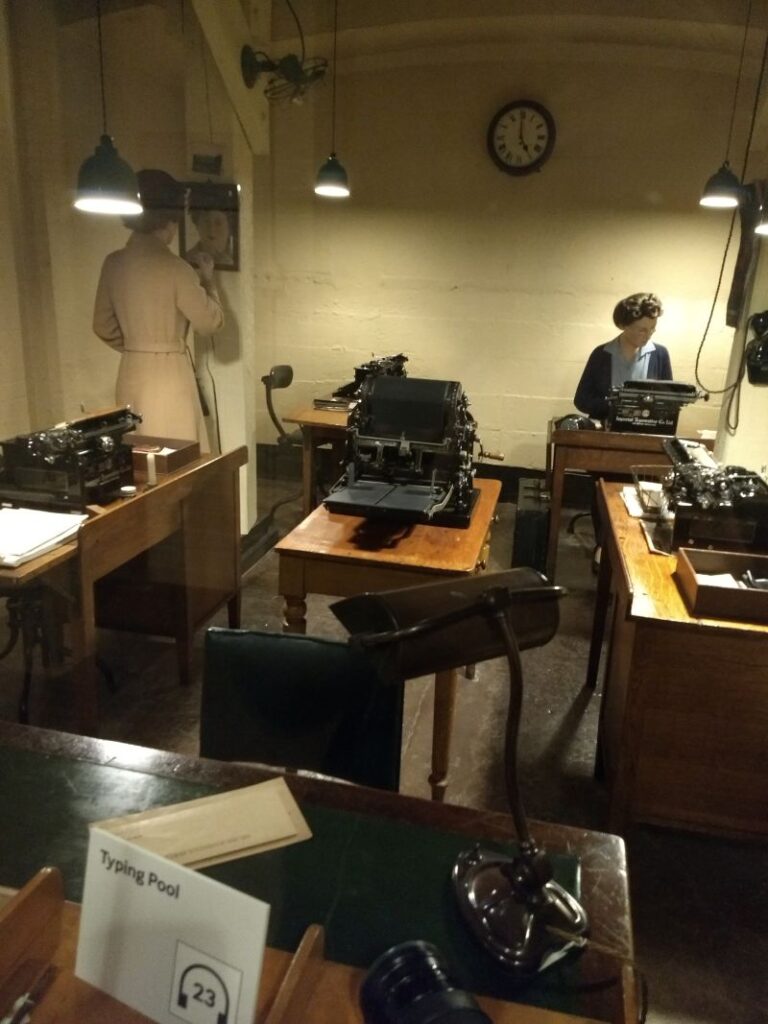
Stepping underground into the Churchill War Rooms feels less like entering a traditional museum and more like stepping into a frozen moment in history. This subterranean labyrinth of corridors was retrofitted beneath the Treasury building to shield Prime Minister Winston Churchill, his war cabinet, and core staff from the relentless German Blitz raining down on London above. Peering through the glass partitions, the stark reality of running an empire in total isolation is immediately apparent. You can look directly into a pristine, quiet office complete with a classic green banker’s lamp and a sign above demanding silence for the Prime Minister’s staff. The museum also features brilliant exhibits honoring the civilian side of wartime leadership, including the remarkably preserved door to 10 Downing Street as well as a peek into the subterranean domestic life required to keep the bunker running, such as the cramped, utilitarian stoves of the Prime Minister’s kitchen.
The atmosphere remains thick with the palpable, analogue tension of the 1940s. Without computers, cell phones, or digital screens, Britain’s entire war effort was conducted via landline switchboards, typewriters, and manual tracking. The endless, claustrophobic corridors reveal spaces where typists and switchboard operators worked around the clock next to gas masks and narrow cots, entirely cut off from daylight and knowing whether it was sunny or raining above ground only by a manual “weather indicator” card on the wall. It is a stark reminder of the heavy burden borne by the young officers and secretaries who lived and breathed in these dim, smoke-filled rooms for years on end.
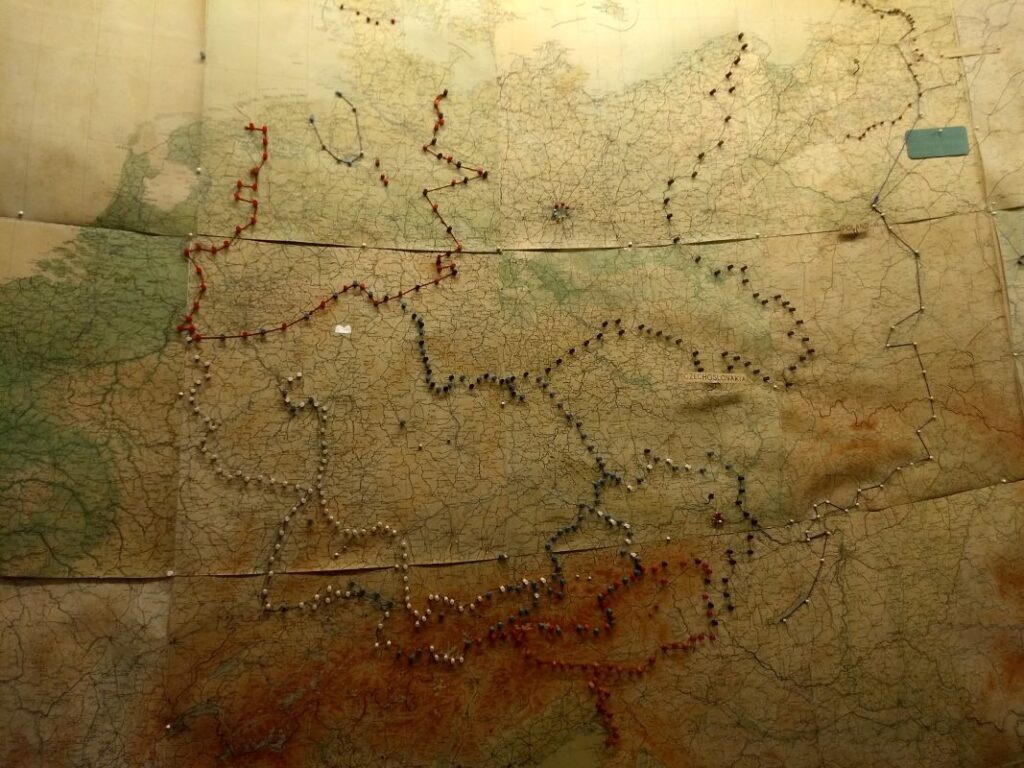
The absolute heart of the entire bunker is the Map Room, which has been left completely untouched since the day the war ended in 1945. Here, you can feel the sheer scale of the global conflict frozen in time. Giant fading paper maps stretch across the walls, intricately pinned with colored pushpins and interconnected webs of string to track troop movements, naval convoys, and front lines across Europe. You can see the chaotic, cluttered desks where officers sat, surrounded by multi-colored rotary intelligence phones and stacks of top-secret files, plotting the strategies that would ultimately decide the course of world history.
British Museum in London
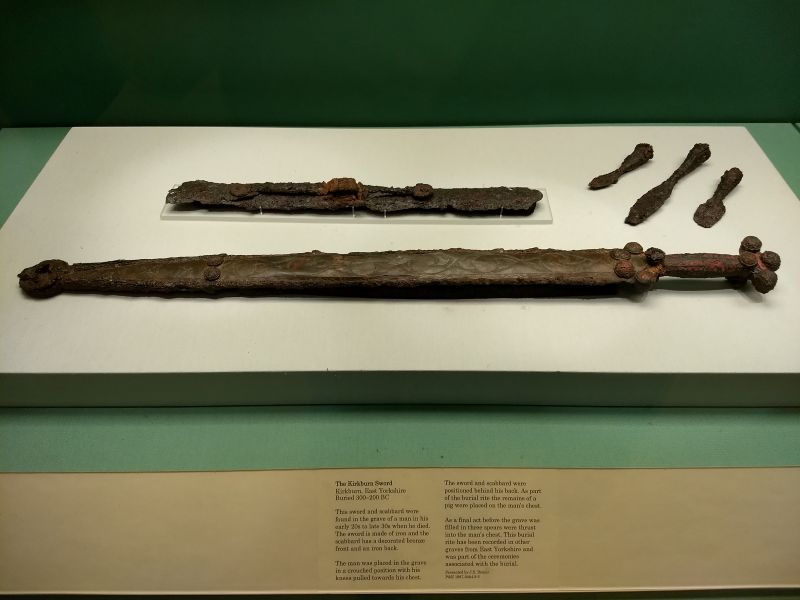
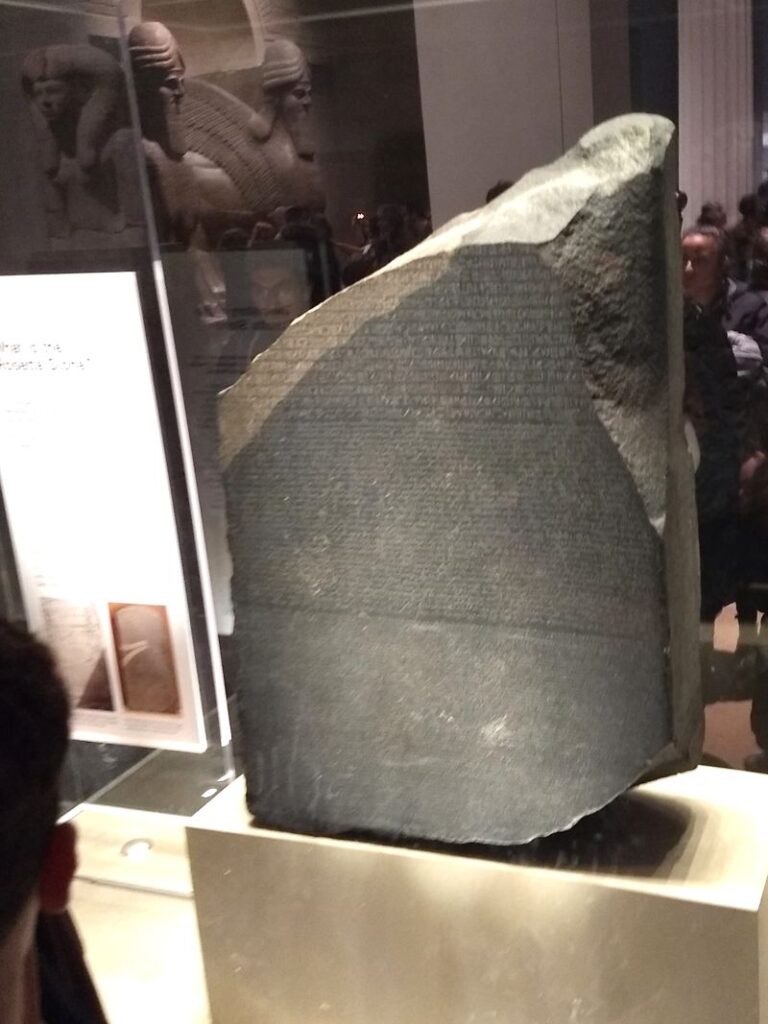
Switching from modern military history to the ancient world, I spent a mesmerizing afternoon exploring the grand halls of the British Museum. The sheer scale of global history housed under one roof is staggering. I found myself drifting from intricate display cases of ancient Greek silver coins—including the famous Athenian Owl —straight into the massive Duveen Gallery to stand in front of the legendary Parthenon Sculptures. As a fan of European history, a major highlight for me was seeing the famous Kirkburn Sword, widely considered one of the finest surviving, most elaborately decorated weapons from Iron Age Europe. No visit to the museum is complete without stopping by its most famous artifact, the Rosetta Stone, which completely fascinated me. It is incredible to stand in front of the exact slab of black granodiorite that served as the ultimate cryptographic key, allowing scholars to finally decipher ancient Egyptian hieroglyphs and unlock centuries of silenced history. Finally, I rounded out the day by viewing the striking, perennially popular gallery of intricately painted ancient Egyptian sarcophagi. It was an exhausting but deeply rewarding day of solo exploration.
Out of Downtown
While checking off the big monuments is wonderful, sometimes getting out of the city center is important.
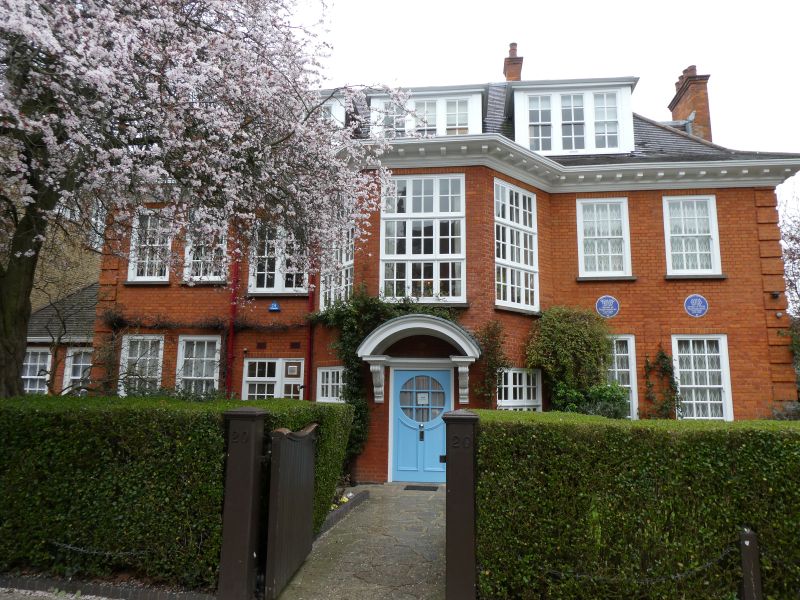
Since I work in a related field, I absolutely had to take a slight detour to the quiet, leafy neighborhood of Hampstead to visit the Freud Museum London. This beautiful red-brick house was the final sanctuary for Sigmund Freud and his family after they were forced to flee Nazi-occupied Vienna in 1938. The museum does a brilliant job of breaking down the fundamental mechanics of his work, displaying exhibits that explore the very nature of psychoanalysis—often called the “talking cure”—and his famous theories on the subconscious mind. Walking through the home, you get an intimate look at his brilliant, eccentric workspace, surrounded by towering bookshelves and a massive collection of ancient antiquities that he lovingly arranged exactly as they had been in Austria.
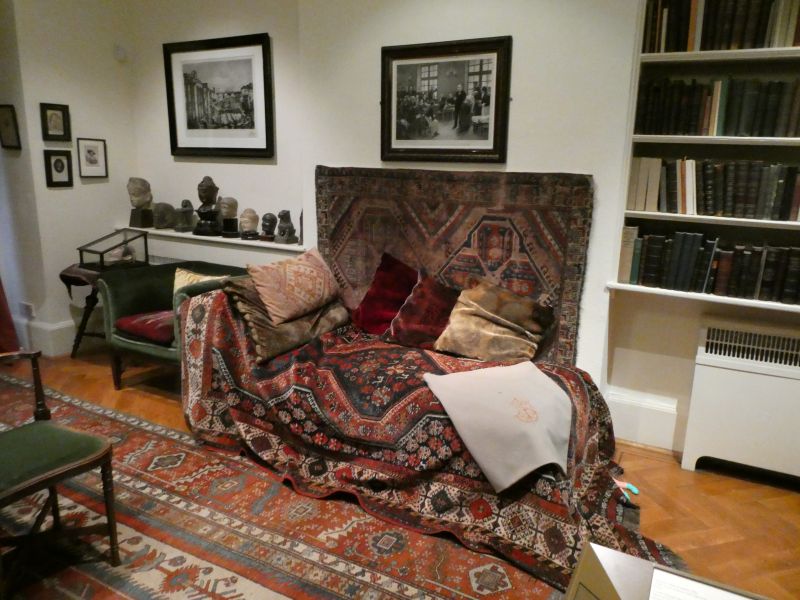
The absolute crown jewel of the visit, however, was stepping into his study to see the world-famous psychoanalytic couch. It was incredibly surreal to stand inches away from the exact, Persian rugs draped sofa where patients sat utilizing free association to unravel their dreams and memories. Beyond Sigmund’s legacy, the house is also a tribute to his daughter, Anna Freud, who lived here for decades and pioneered her own massive contributions to child psychoanalysis. Getting to peer at her personal Royal typewriter, still holding a typed letter outlining the essential qualities needed in a future psychoanalyst, was the perfect, inspiring end to a deeply personal pilgrimage.
I also ventured to the following:
- The Prime Meridian at Greenwich: I caught a ferry down the River Thames to stand directly on the historic 0° Longitude line, effectively letting me stand in both the Eastern and Western hemispheres at the exact same time. Read about that here.
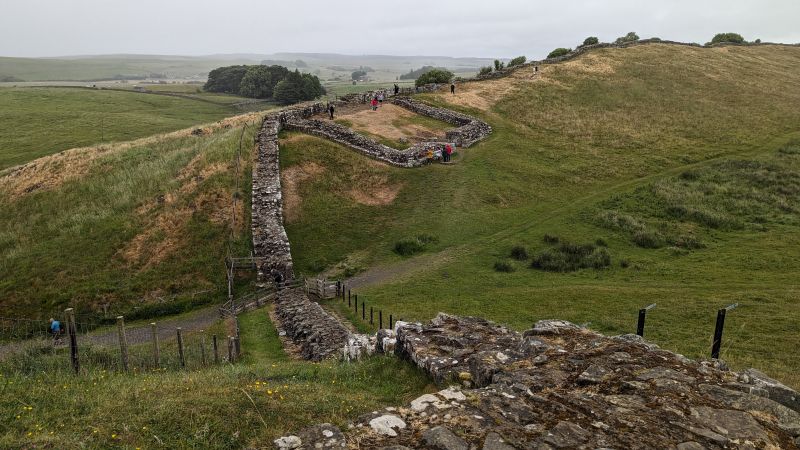
- Stonehenge & Oxford: I hopped on a bus tour through the countryside to see the world-famous ancient stone circle under a classic, dramatic, overcast UK sky, after a little time in Oxford. Driving time alone is over five hours, with about 90 minutes in each location. Read about this daytrip here
Missed Out
Having just 3 full days in London wasn’t enough. I made really good use of my time by hitting the main sites. But there is so much more to see, experience and explore.
Three things that I missed out on this trip.
- The London Eye. I kept saving that to do with Justin, as, well, I don’t really like Ferris wheels all that much, and this is a tall one, and didn’t want to do it alone. I would have liked to ride it, just to do it.
- Catch a soccer game at Chelsea Football Stadium. I’ll admit I don’t know much about soccer, but it is such an important part of English culture. I should have at least taken a tour of the stadium if a game wasn’t an option.
- Afternoon Tea. I was in a bookclub in my 30s and one of the participants was English and she hosted a few Afternoon Tea parties. They were nice, but to have Tea in England, to have that cultural experience featuring delicate finger sandwiches, scones with clotted cream and jam, and pastries in a beautiful room with ornate furnishings and china, that would have been a little better.
Fueling the Adventure: Fish & Chips and Curry
You cannot talk about the London food scene without mentioning fish & chips and curry. Fish and Chips are more Justin’s speed, and we did have some a few times. Curry is also a British staple, but Justin isn’t as much as a fan as I am, so I found myself hunting down a warm bowl of curry almost every single day.
Once Justin’s meetings wrapped up, our time in London came to a close, and it was time for the next leg of our journey: boarding a high-speed rail bound straight for Paris. Read about that here.